
Bee Swarm Season and Pet Anaphylaxis
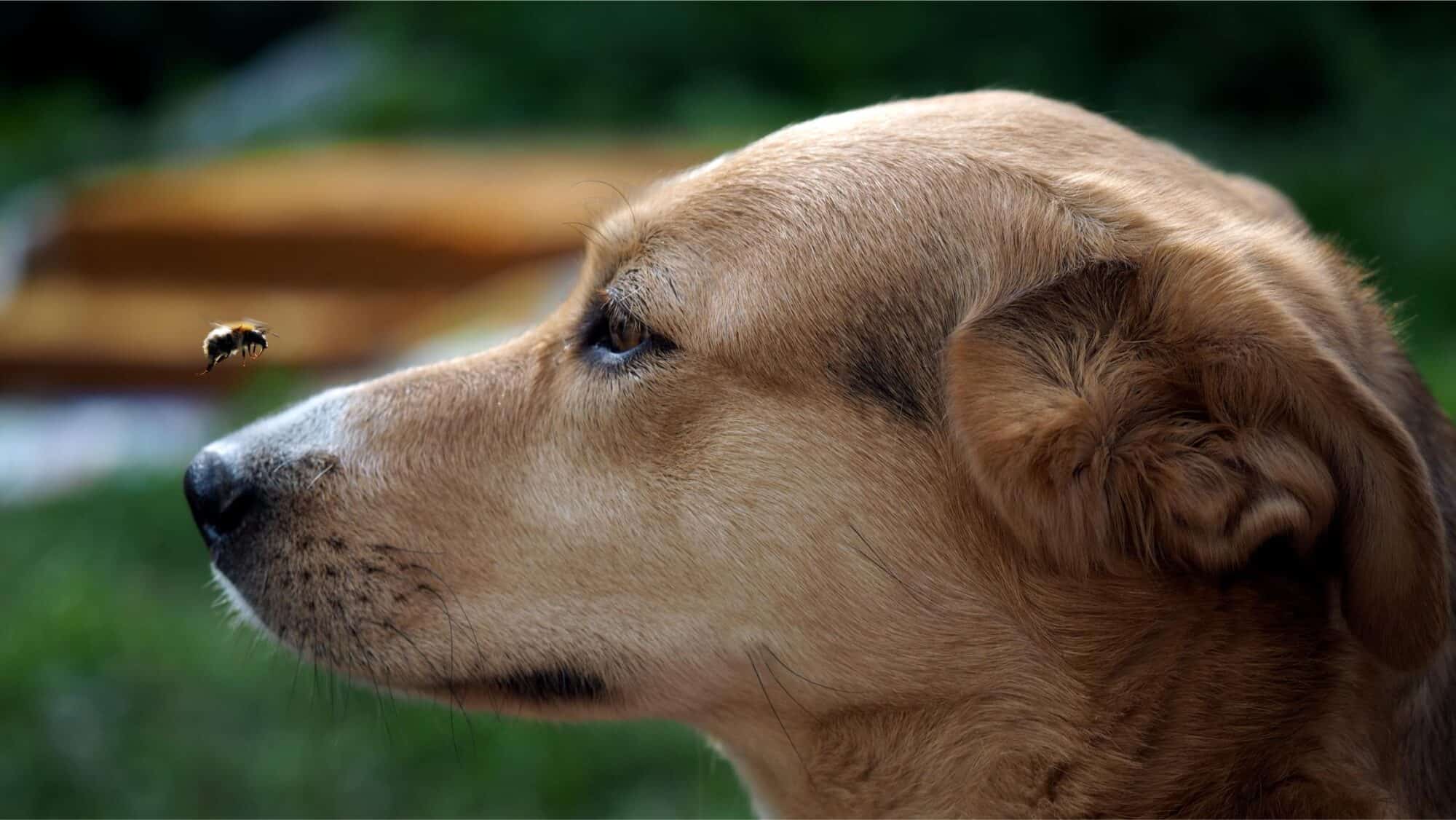
Springtime in Spring Branch is beautiful—rolling hills, wildflowers in full bloom, and warmer days that invite both people and pets outdoors. But along with the Hill Country’s famous blooms comes an increase in bees, wasps, and other stinging insects. While most encounters are harmless, Texas bee stings in pets can occasionally lead to serious allergic reactions. The key is knowing what to watch for and how proactive care can keep your pet safe.
Why Bee Activity Increases With Hill Country Bloom Risk
Spring marks peak activity for bees as plants flourish and flower and bee colonies expand. This Hill Country bloom risk means pets are more likely to cross paths with stinging insects while exploring yards, trails, and gardens. Curious dogs may snap at buzzing visitors, while cats might investigate bees resting on porches or windowsills.
For most pets, a single sting causes mild swelling and discomfort. However, in rare cases, pets can develop an allergic reaction that escalates quickly.
Understanding Anaphylaxis in Pets
Dog anaphylaxis in spring tends to happen suddenly, and swift veterinary care is critical. Anaphylaxis is a severe allergic reaction that affects the whole body, not just the sting site.
Symptoms may include:
- Facial swelling (especially around the muzzle or eyes)
- Hives or intense itching
- Vomiting or diarrhea
- Difficulty breathing
- Weakness or collapse
Cats can experience similar reactions, though signs may be more subtle. Allergic stings in cats in Texas often show up as sudden lethargy, vomiting, facial swelling, or labored breathing. Treat any of these symptoms as an emergency.
What to Do If Your Pet Is Stung
If your pet is stung and seems comfortable, monitor them closely for the next 30-60 minutes. Mild swelling at the sting site is common and often resolves on its own. If you notice rapid swelling, breathing changes, or gastrointestinal upset, seek veterinary care immediately. Prompt treatment—including antihistamines, steroids, or emergency supportive care—can quickly stabilize pets experiencing anaphylaxis.
Do NOT administer human medications without veterinary guidance.
Prevention: Proactive, Not Panicked
The good news? Most stings are preventable with a little awareness. To reduce risk during bee season:
- Supervise pets outdoors, especially around flowering plants.
- Keep trash cans sealed and avoid leaving sugary foods outside.
- Discourage dogs from snapping at insects.
- Check yards for visible hives or ground nests.
If your pet has had a previous allergic reaction, talk with your veterinarian about preventive and treatment strategies before peak bee season begins.
Your Spring Branch Vet Is Here to Help
At Branch Vet, we believe informed pet parents are empowered pet parents. Bee season doesn’t have to be scary. Whether your pet needs emergency care, allergy management guidance, or a spring wellness check, your trusted Spring Branch vet is here to help you and your pet enjoy the spring season safely. Contact us today at (830) 885-5443.