
Mountain Cedar Season and Your Pet’s Health in the Hill Country
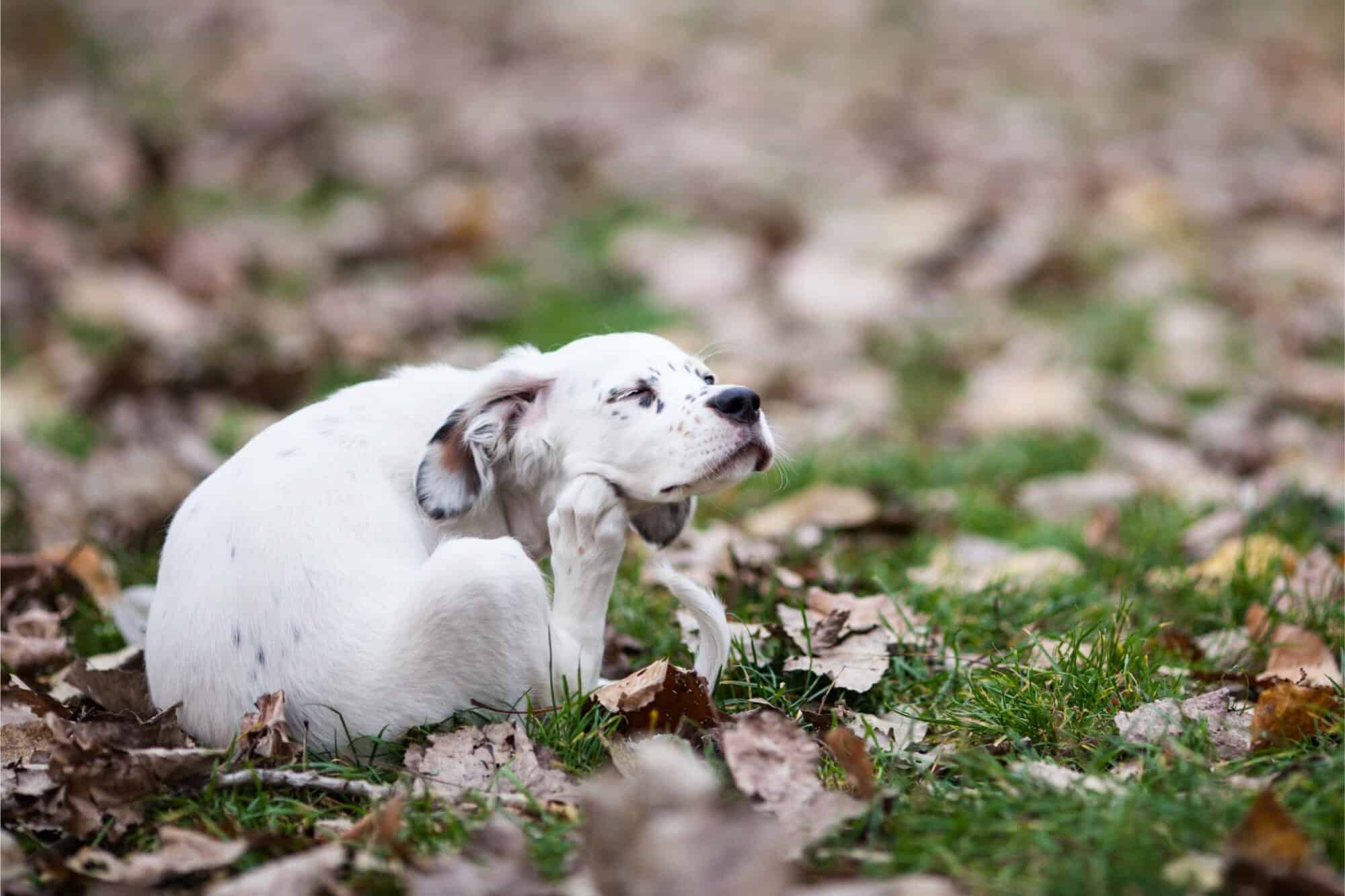
As winter lays its chilly fingers on Texas Hill Country, folks start looking for that telltale golden haze in the air that tells us Mountain Cedar season is here. Mountain cedar—scientific name Juniperus ashei—release their pollen at this time of year.
If you have a pet, especially one that’s sensitive to allergens, this pollen can cause all sorts of discomfort. That’s why the team at BranchVet wants to share what you should know about cedar allergies in pets.
What is Mountain Cedar Season?
Mountain cedar season is when all the Ashe juniper trees release their pollen. Unlike trees that let go of their pollen in the spring, these trees do so during late fall and winter in Central Texas.
Complicating matters further, this pollen season coincides with the typical dry, windy winter Hill Country conditions.
This means the golden dust sticks to absolutely everything: rugs, clothing, furniture, and yes: fur.
How Cedar Allergies Affect Pets
Pets with cedar allergies often suffer from a range of symptoms, including:
- Itchy, scratchy skin. Keep an eye out for any signs of chewing, scratching, or licking, especially around the ears, paws, and belly.
- Skin inflammation. Left untreated, scratching leads to inflammation and even open sores or raw areas in your pet’s skin. If you notice these irritated spots, bring your pet to the vet for treatment—infection can rapidly set in.
- Watery eyes. While it’s more common for humans to experience this, pets can experience itchy, swollen, or runny eyes when cedar pollen levels are high.
Basically, any signs of irritation that coincide with mountain cedar season are a sign your pet might be negatively affected by the pollen. The good news is, there are steps you can take to reduce your pet’s discomfort.
Tips from a Spring Branch, TX Vet for Protecting Pets
As vets right here in Spring Branch, TX, we see plenty of pollen allergies during this time of year. Even for pets that aren’t allergic, the tiny grains can be irritating.
Here’s what you can do to help reduce the chances of a bad reaction from your pet:
- Bathe your pet regularly during cedar season. Giving your pet a bath once a week is usually a bit much, but not during mountain cedar season. A weekly bath helps keep the pollen off your pet’s fur, and lessens the amount that they carry inside.
- Keep the doors and windows shut. When pollen counts are high, you don’t want that outdoor air coming in. If it gets too hot indoors, use air conditioning and a HEPA-type air purifier to help snag any airborne allergens.
- Change the air filters frequently. Make sure you change your home HVAC filters or any filter units throughout your house. Try to clean or vacuum your rugs and furniture at least once a week to reduce pollen accumulation.
- Stay indoors on windy days. Wind spreads pollen everywhere and pushes it into your pet’s nose, mouth, and ears. Aside from a quick potty break, stay indoors on the windiest days to reduce your pet’s exposure.
If you do all these steps and the pollen problems persist—or if your pet seems to have an unusually bad reaction to it—BranchVet can help. Our caring team of Hill Country pet health experts can treat mountain cedar allergies, offering your pet a more comfortable winter season.
Call us at (830) 885-5443 to schedule an appointment and get your pet some much-needed relief.